In GNSS terminology, “observations” refer to the raw measurements made by a GNSS receiver from satellite signals. These include measurements of:
Pseudorange: The measured distance between the receiver and each satellite, based on signal travel time.
Carrier Phase: The phase of the carrier wave received from each satellite, used for high-precision positioning.
Doppler Shift: The change in frequency of the received signal due to relative motion between satellite and receiver.
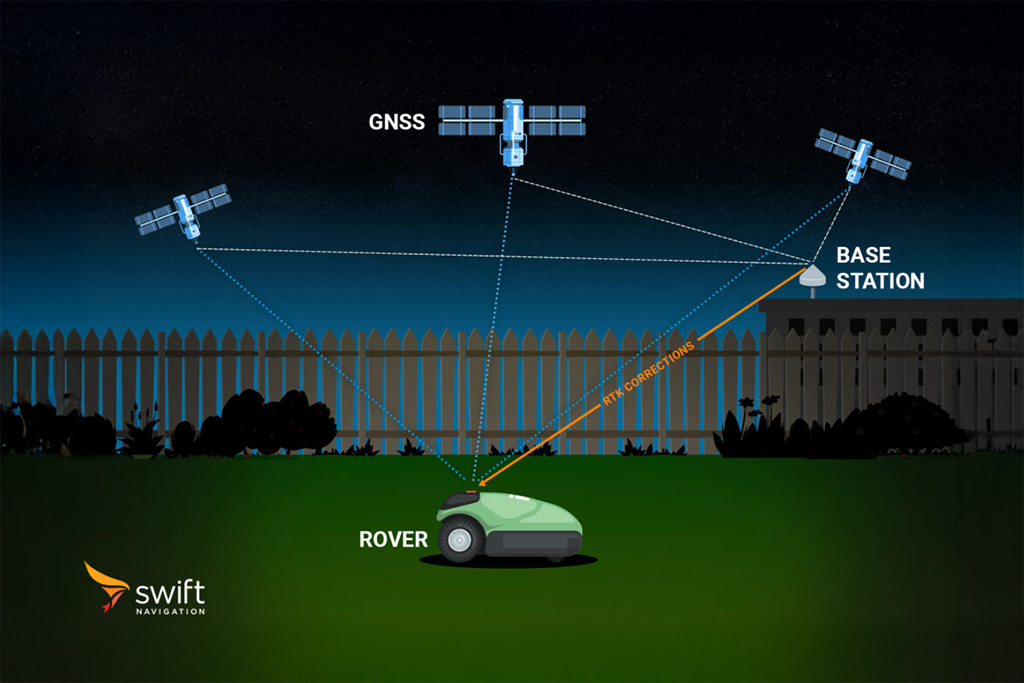
Observations are fundamental to all GNSS positioning techniques. They form the core data used to compute position solutions, whether for standard navigation or advanced methods like RTK. In RTK and networked correction systems, observations from reference stations are used to generate correction data that can be applied by rovers to achieve centimeter-level accuracy.